The phrase “A city of Yells, Bells and Smells,” is often erroneously attributed to Lord Byron – that same Lord Byron, the great poet of the British Romantic movement of the 19th Century.
Yet it wasn’t he, who uttered those eternal words about Valletta, albeit he did have some harsh words for our Capital – and we’re not sure we’re ready to forgive him yet!
That’s right, Lord George Gordon Byron, 6th Baron Byron visited Malta twice – first in 1809 towards the beginning of his Grand Tour, and then in 1811 on his way back to England.
A new British protectorate
Back then, Malta had just started to form part of the British Empire, and it was attracting several illustrious visitors who would choose to include the tiny island in their adventure of the Mediterranean. The Grand Tour was a long-form voyage, many young well-to-do members of the British aristocracy and affluent classes undertook, taking in the wonders of the ancient world. Stops included Paris, Rome, and Naples. Malta often featured on this trail, and some memoires are simply fascinating!
Back to our protagonist, Byron was only 21 when he visited Malta for the first time, though he had already made a name for himself back home, sporting somewhat of a celebrity status. In fact, by the age of 19, he had already published a collection of poems called ‘Hours of Idleness’, and in 1809 he even succeeded his uncle the Baron Byron of Rochdale as a member of the House of Lords!
The Grand Tour
But he didn’t pursue his political career for long, as he was hungry for adventure. His travels took an unusual rout due to the ongoing Napoleonic wars that were taking place in central Europe at the time. In fact, he travelled by sea to Lisbon, then straight to Seville, Jerez de la Frontera, Cadiz and Gibraltar, then to Sardinia, Sicily and Malta. The Townshend, the packet boat on which he was travelling together with his trusty companion John Cam Hobhouse, entered the Grand Harbour on August 31st.
His stay in Malta started on the wrong foot, as Byron expected a better welcome – possibly a salute on arrival. It is evident that the young man was already pretty proud of his achievements.
In Valletta, Byron stayed at Casa di Saint Poix, a stately house in upper Old Bakery Street. Incidentally, this was the same house in which another great name of the Romantic poetry movement lived just five years earlier – Samuel Taylor Coleridge.
Apparently, Byron’s disappointment was soon alleviated as he was invited for dinner by the Commissioner and his wife at San Anton Palace in Attard. On other occasions he was entertained by several other members of the local British high class such as Brigadier General, Hildebrand Oakes, then the commander of military affairs in Malta.
Party!
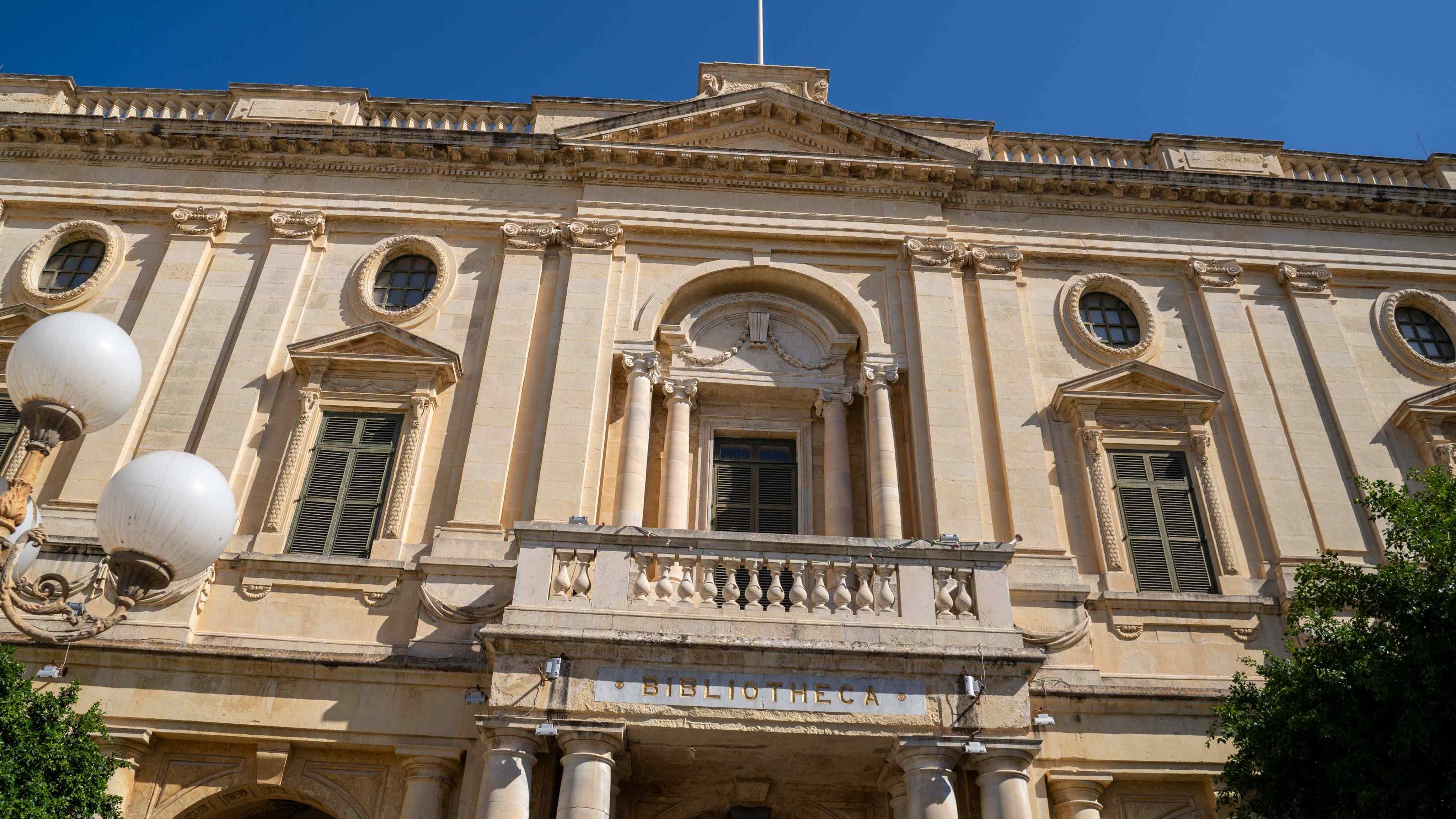
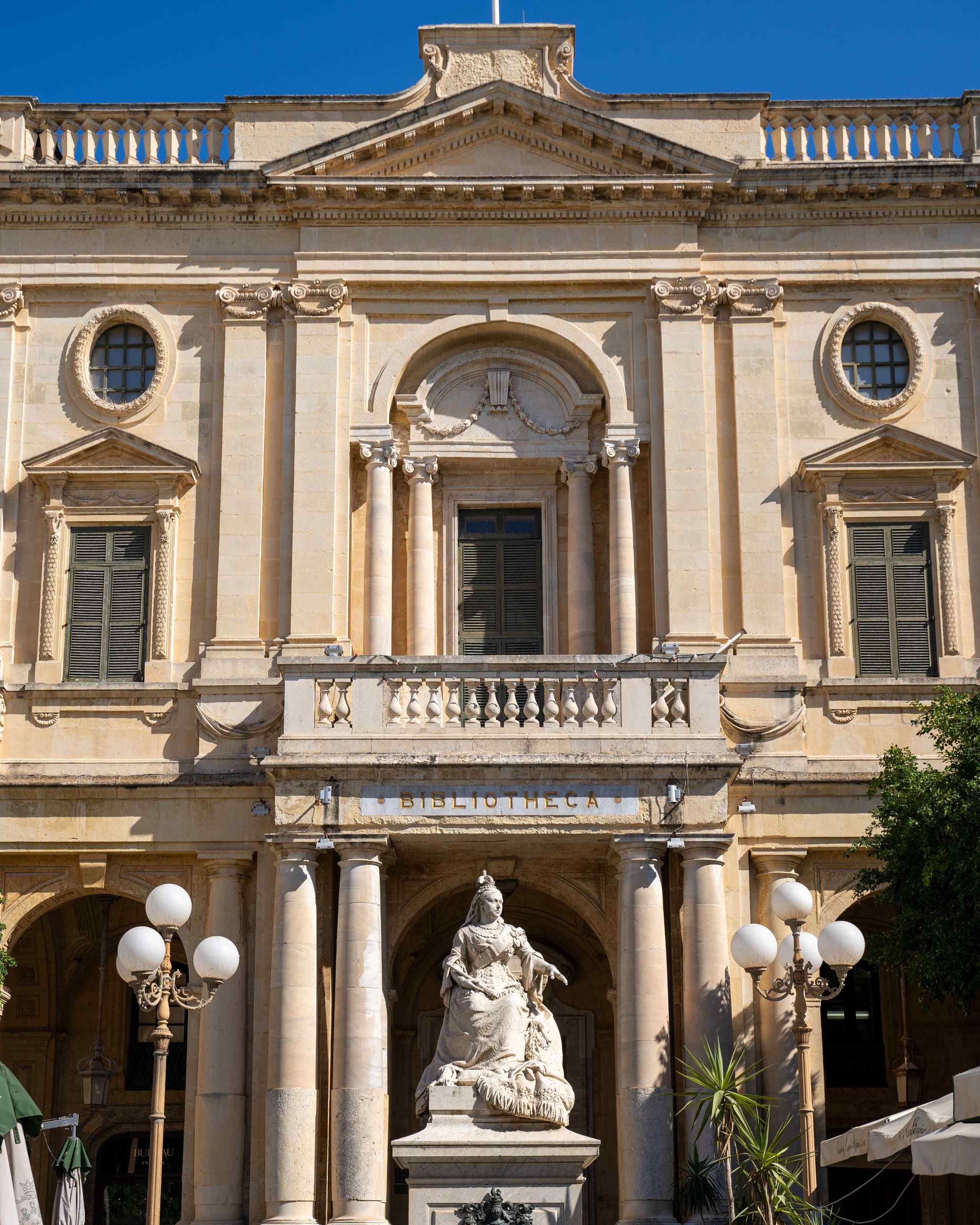
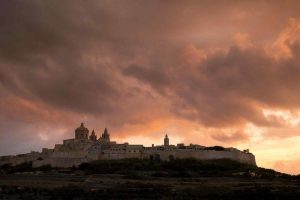
While in Malta, Byron visited various places of interest, among which, St John’s church, which at the time hadn’t been elevated to the title of Co-Cathedral, the National Public Library, the old Capital Mdina, and St Paul’s Grotto in Rabat. Together with Hobhouse he often bathed in the inlet of Pietà. He also took some lessons in Arabic, in preparation for his planned travels further East. In the evenings, he would often enjoy a few nights at the Manoel Theatre which back then was known as the Teatro Pubblico.
So when did the island fall out of favour with the young poet?
On his way back, Byron meant to visit again, however he was unlucky, since the HMS Hydra on which he was travelling was obliged to follow a strict quarantine in Marsamxetto Harbour. Byron had to stay in confinement at the Lazzaretto of Manoel Island. And if you thought the Covid19 quarantine was bad, the guy had no tiktoks to resort to! Instead, he gave us ‘Farewell to Malta’, 56 verses of tongue-in-cheek banter, about a few things he recalled from his previous stay on the island – but also some salty remarks about his fellow countrymen too!
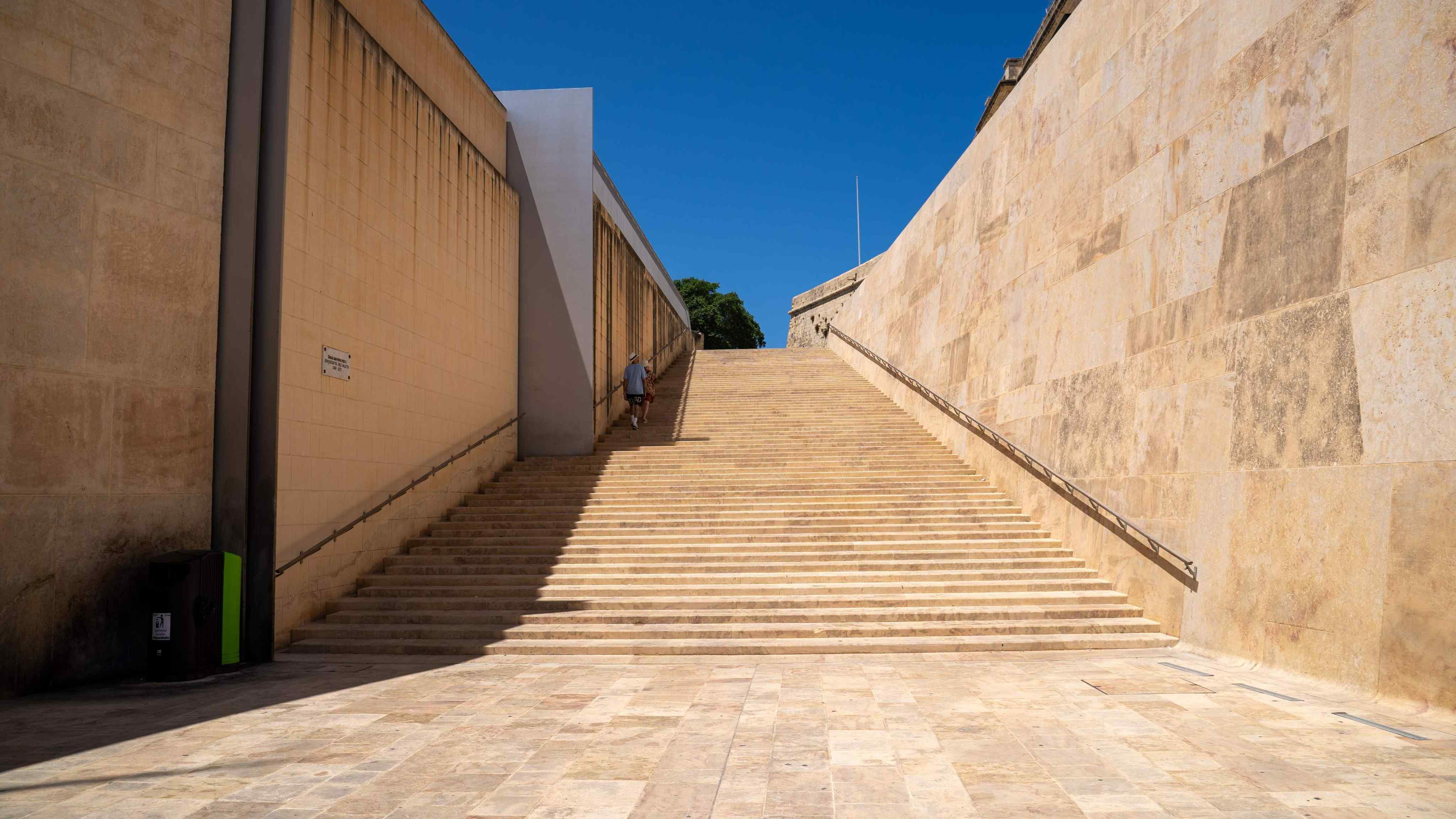
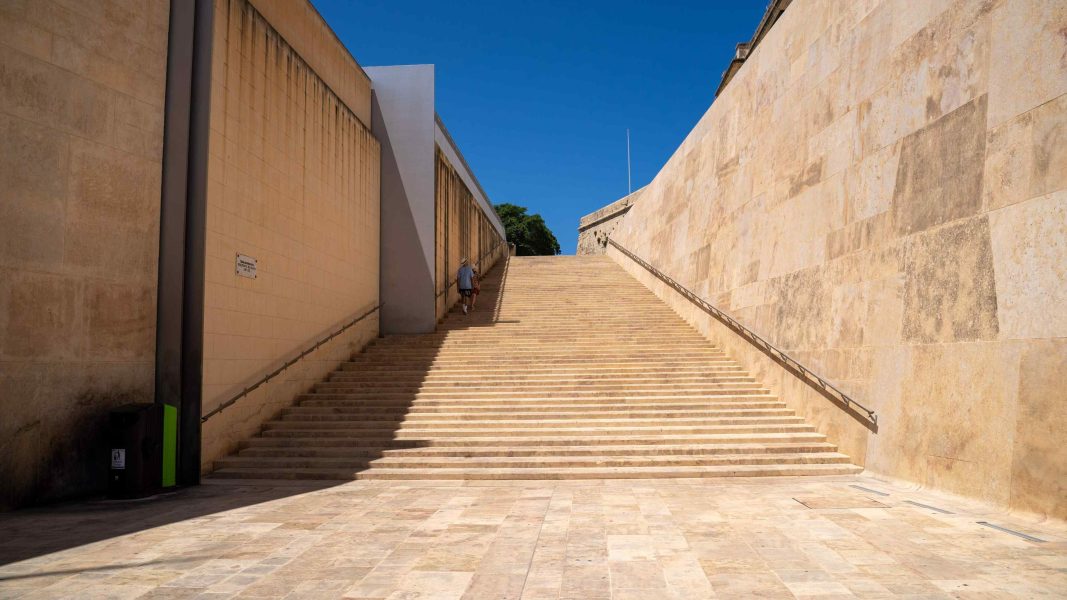
So, what did he say exactly? Well, he didn’t like Valletta’s iconic staired streets, that’s for sure. His limp, a disability which he developed in his childhood, surely didn’t help his cause, and him visiting during the scorching summer months must have left its toll on the man.
Other than that, we are just honoured that one of the giants of the 19th Century found the time to dedicate a poem to our island!
[adrotate banner=”10″]
‘Farewell to Malta’
Adieu, ye joys of La Valette!
Adieu, sirocco, sun, and sweat!
Adieu, thou palace rarely enter’d!
Adieu, ye mansions where I’ve ventured!
Adieu, ye cursed streets of stairs!
(How surely he who mounts you swears!)
Adieu, ye merchants often failing!
Adieu, thou mob for ever railing!
Adieu, ye packets without letters!
Adieu, ye fools who ape your betters!
Adieu, thou damned’st quarantine,
That gave me fever, and the spleen!
Adieu, that stage which makes us yawn, Sirs,
Adieu, his Excellency’s dancers!
Adieu to Peter–whom no fault’s in,
But could not teach a colonel waltzing;
Adieu, ye females fraught with graces!
Adieu, red coats, and redder faces!
Adieu, the supercilious air
Of all that strut ‘en militaire’!
I go–but God knows when, or why,
To smoky towns and cloudy sky,
To things (the honest truth to say)
As bad–but in a different way.
Farewell to these, but not adieu,
Triumphant sons of truest blue!
While either Adriatic shore,
And fallen chiefs, and fleets no more,
And nightly smiles, and daily dinners,
Proclaim you war and woman’s winners.
Pardon my Muse, who apt to prate is,
And take my rhyme–because ’tis ‘gratis.’
And now I’ve got to Mrs. Fraser,
Perhaps you think I mean to praise her
And were I vain enough to think
My praise was worth this drop of ink,
A line–or two–were no hard matter,
As here, indeed, I need not flatter:
But she must be content to shine
In better praises than in mine,
With lively air, and open heart,
And fashion’s ease, without its art;
Her hours can gaily glide along,
Nor ask the aid of idle song.
And now, O Malta! since thou’st got us,
Thou little military hothouse!
I’ll not offend with words uncivil,
And wish thee rudely at the Devil,
But only stare from out my casement,
And ask, for what is such a place meant?
Then, in my solitary nook,
Return to scribbling, or a book,
Or take my physic while I’m able
(Two spoonfuls hourly by the label),
Prefer my nightcap to my beaver,
And bless the gods I’ve got a fever.
Lord Byron, May 26, 1811.
Source: https://kliemustorja.com/