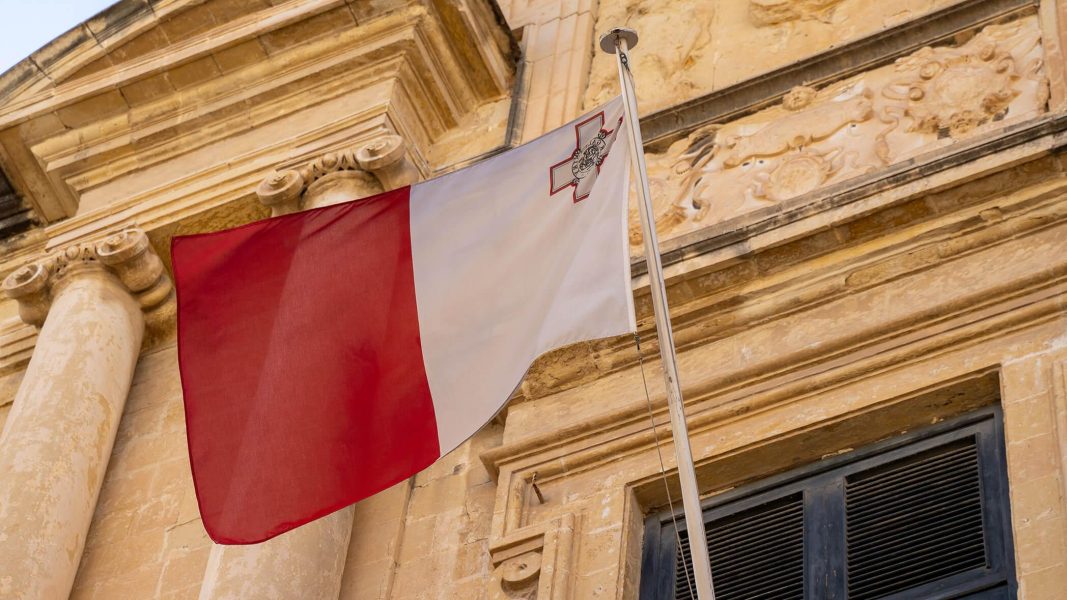
The significance of flags changed with the ideologies of different times in history.
One very important historical event that changed this was the French revolution. Supposedly, the creation of the French tricolore gave a new, modern aesthetic to what flags were meant to look like.
When the European republic regimes replaced the monarchies, what used to be an emblem for a royal family became a flag for the people.It is not a coincidence that most European flags share this binary or ternary structure.
The Origin and Development of the White and Red Colors
Count Roger I of Sicily
Traditionally it is believed that the Maltese flag’s colors were literally given to the people by Count Roger I.
The historical weight of Roger’s stay is significant because it brought the end of the Arab era in Malta. At this time the Maltese Christians supposedly fought by Roger’s side against the Arabs. The story goes that in order to distinguish the Maltese people from the Arabs, the Count tore a piece of his red and white checkered flag and gave it to the Maltese.
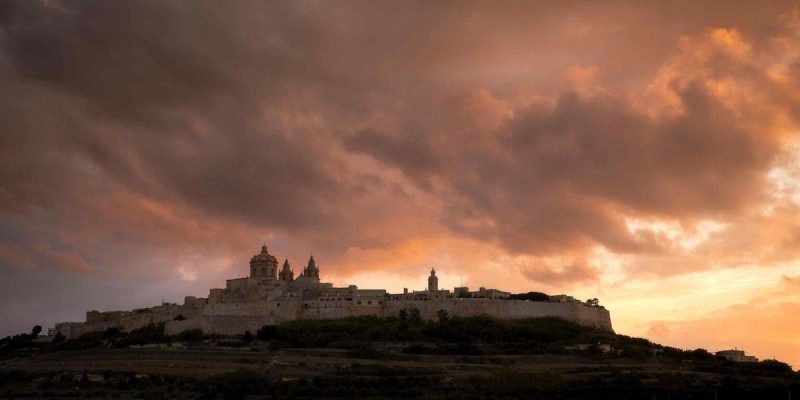
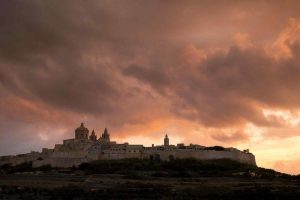
In reality it’s more likely that the white and red were used as the hoisted colors—probably by the Normans—on Mdina. The Maltese then saw these colors and attributed them to the country for the past 800 years.
The Knights of the Order of St. John
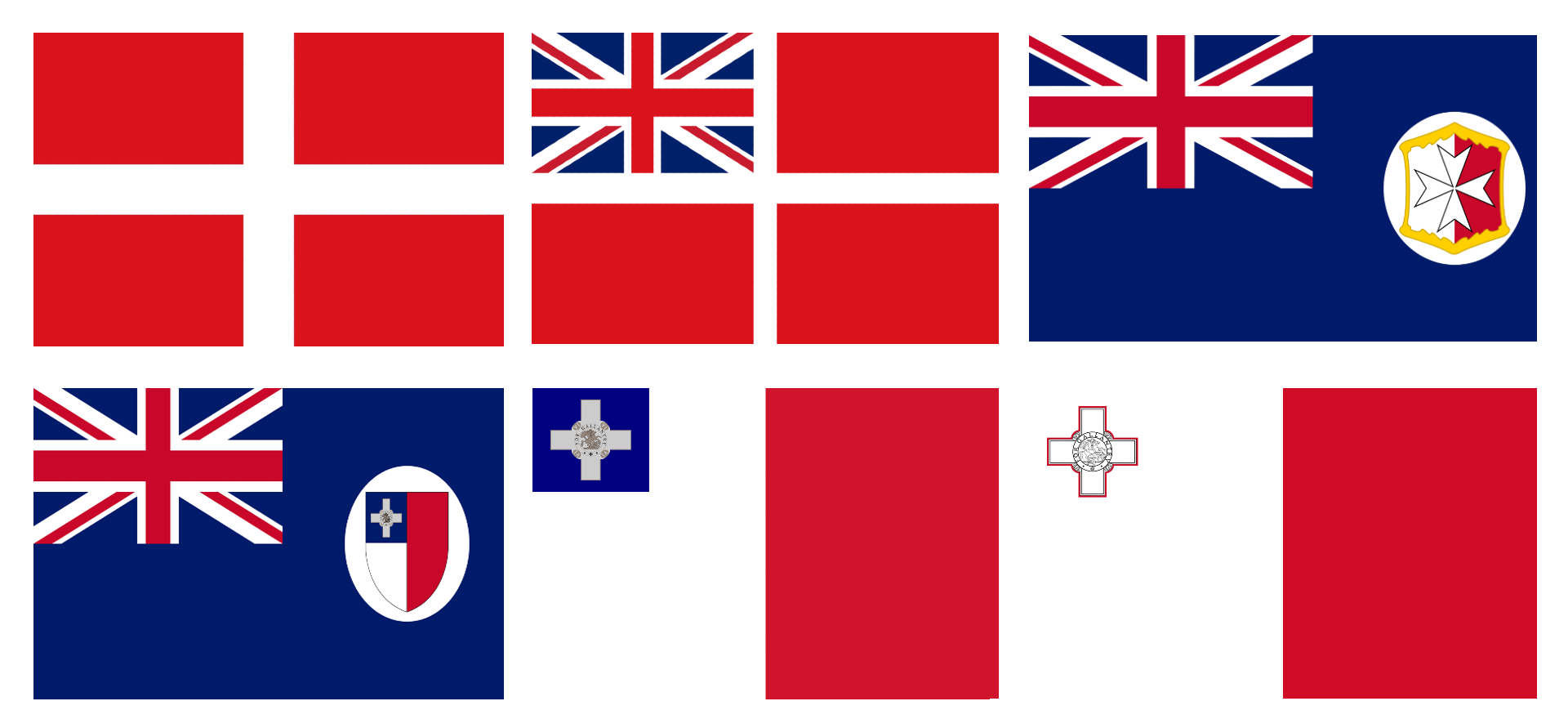
The Order used a red backdrop with a white cross over it—much like the flag of Denmark nowadays but centered.
The French
Under the French it is documented that at the flag colours were still in use here. When the Maltese reclaimed Mdina from under the French “the ancient standard of Malta, white and red, was raised upon the ramparts of the city”.
[adrotate banner=”12″]
The British
During the colonial part of our history, the Maltese flag changed quite a bit. It went from being the Union Jack, to the Union Jack in one of the four corners of the red-coloured white-crossed flag, to a variation of blue flags with the union jack on the top left corner and different Maltese emblems on the right hand side of the flag.
The George Cross
In 1943 the George Cross was added to the flag. King George VI awarded the cross to the Maltese ‘for gallantry’—as it is written on the cross itself. He then decided it should be on the flag.
After Independence, the Maltese removed the blue square behind the cross and the flag became what it is today.
The Flag Debate
If you’ve ever heard the Maltese flag come up in a local conversation, you’ve probably heard the to-keep-or-not-to-keep debate on the cross. Although there are people who believe the cross is a symbol of courage and a reminder of Malta’s effort in the second world war, there are many who argue that the presence of the cross on the flag doesn’t make sense anymore.
Here are arguments typically made for the removal of the cross.
- The fact that the country became independent.
- The fact that the cross is named after the ex-coloniser’s Monarch.
- The fact that no other country has a military medal on its national flag.
- The fact that it is an Anglican cross symbolising the leader of the Anglican church on the flag of a country that is constitutionally Catholic.
There are also those who believe that the cross should be replaced by the 8-pointed cross, also known as the cross of the Order or the ‘Maltese cross’.
What do you think about this? What would you put on the Maltese flag? I’d personally put up the indigenous freshwater crab as a contender, but that’s just me.