An event on February 2nd will be held at Valletta Design Cluster to discuss how higher education can help bridge Malta’s skill gap, gathering key stakeholders in the sector around a captivating agenda.
An Island Full of Opportunities
Malta’s rapid economic growth in the past 20 years has turned the island into a magnet for foreign workers, whether EU citizens or third country nationals, thousands of people flock to Malta to contribute to its booming industries.
Despite foreigners making up 20% of the population, companies still struggle to hire and retain workers with the right set of skills – partly due to rapid technological development. Considering this need, the Maltese government set out support measures, such as the Lifelong learning, Get Qualified or JobsPlus programs, to create incentives for workers to skill up and to attract an international workforce. English and higher education students can also work part time while they are studying in Malta.
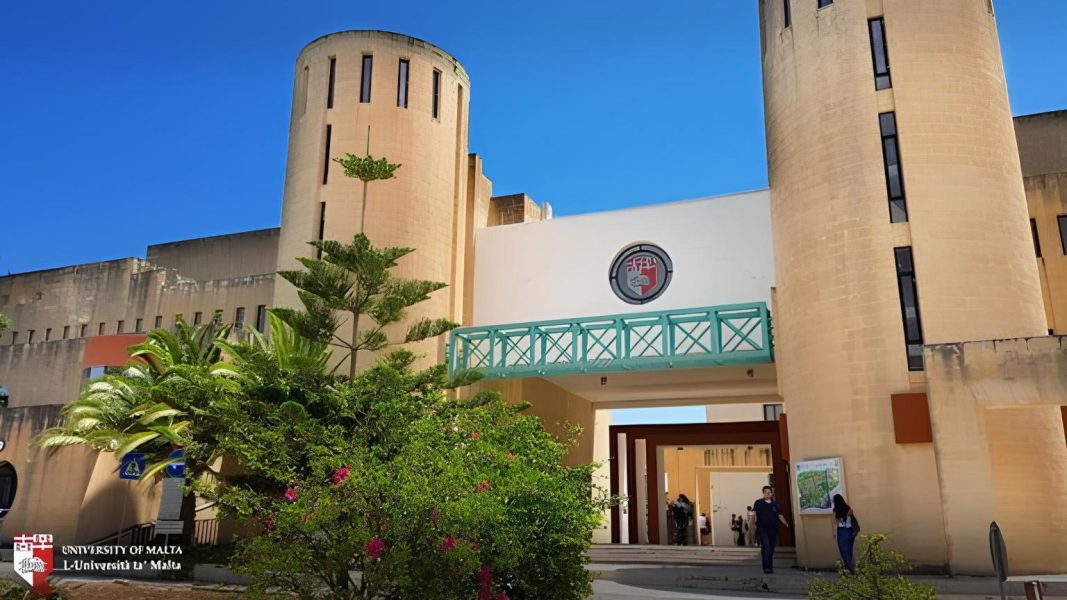
Education providers, such as the University of Malta, MCAST or Global Business School create and adapt academic programs that respond to the needs of the labour market and prospective students. Despite these efforts, Malta struggles to attract the right workforce.
How can the Skill Gap be Bridged?
An exclusive event gathering a wide range of stakeholders, “Addressing Malta’s skill gap through education: opportunities and challenges”, will shed light on some of the key challenges and opportunities. The event will take place in the prize winning architectural jewel, Valletta Design Cluster. The event is organized by the Foundation for the Promotion of Entrepreneurial Initiatives and CAPS Solutions, sponsored by Boom Studies, a leading travel to study Malta-based agency.

On one hand, education providers have challenges in developing new programs in rapidly evolving fields such as AI or cybersecurity, and for industries and roles which involve such emerging technologies. On the other hand, there is also a challenge in hiring and retaining lesser qualified positions which are essential for Malta’s leading industry: tourism. At the same time, national labour regulations are evolving.
The reliance on foreign talent to fill the skill gap also poses challenges, including language barriers, cultural differences, and work permit requirements. Furthermore, the perception of a decaying quality of life in Malta and inflation, particularly in the housing market, have led to further challenges in retaining a skilled, mobile workforce.
Education: a Long Term Migration and Integration Opportunity
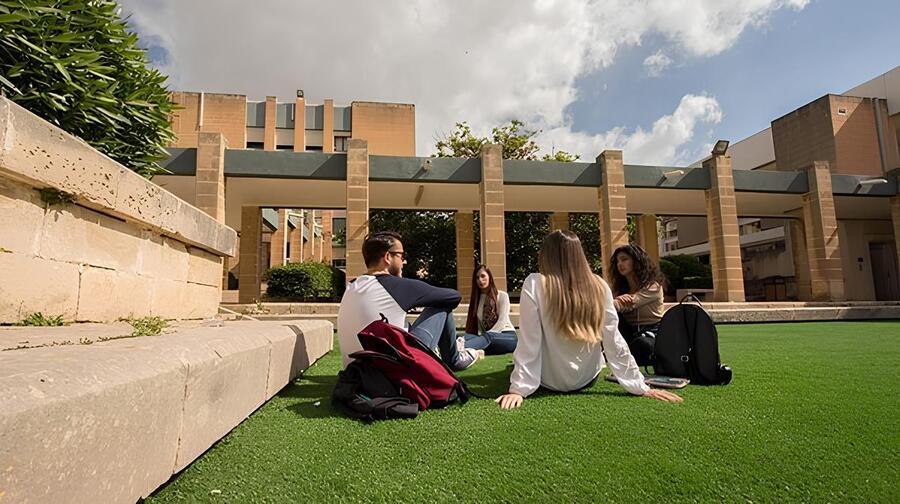
Testimonies from students and from Canadian representatives will illustrate how policies need to provide clear incentives for international students. Also, that long term migration through higher education study provides a predictable, sustainable pathway for international students to become invested in the job market of their country of choice.
Indeed, studying in Malta provides ample integration opportunities in a friendly environment, while the built up skills allow for a seamless transition into the job market, particularly considering that full time students can work part time while studying.
It is also clear that addressing the skill gap challenge requires close collaboration between educational institutions, government agencies, and industry stakeholders to develop coherent policies, relevant curriculum, provide vocational training programs, and promote lifelong learning initiatives.
In this sense, there are many opportunities, namely through concerted development of incentives and migration policies that meet stakeholders’ and citizens’ expectations, while providing a clear, predictable framework for international students looking for long term mobility options.
If you are interested in attending the event, please contact giselle@fpei.mt